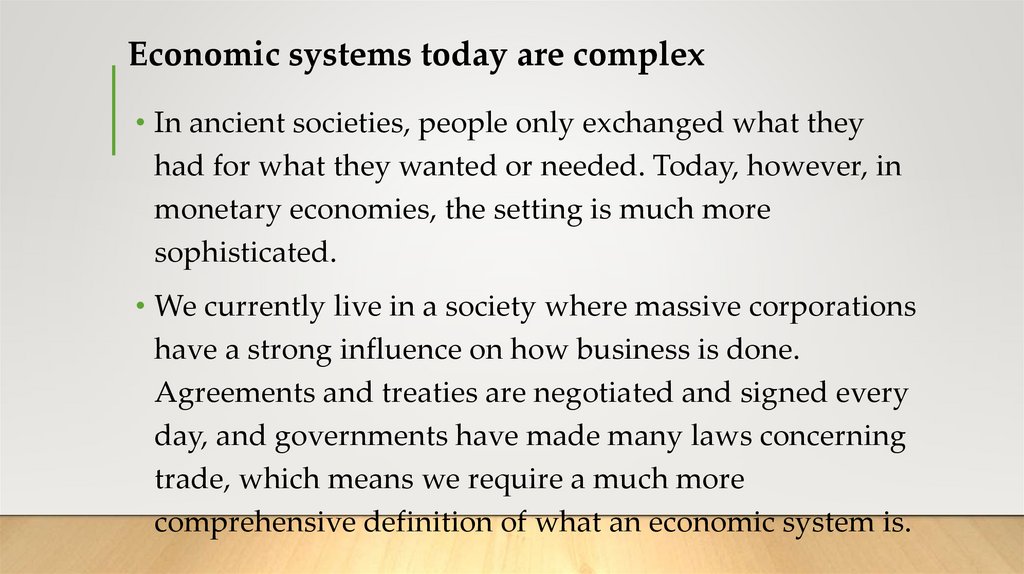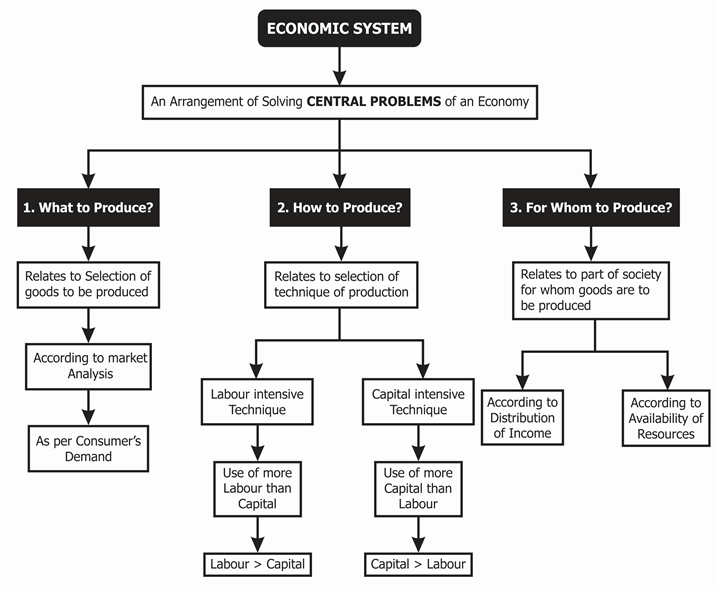
Choosing the best economic system is a complex and crucial decision for any nation. The economic system dictates how resources are allocated, how goods and services are produced, and how wealth is distributed. There’s no one-size-fits-all answer, as the ideal system often depends on a country’s specific circumstances, values, and goals. Understanding the core features of different economic models is vital for informed decision-making and building a prosperous future.

Key Takeaways:
- Different economic systems (capitalism, socialism, mixed economy) prioritize different values like individual freedom, social welfare, and economic equality.
- The “best” economic system depends on a nation’s specific goals and societal values, as each system has its own strengths and weaknesses.
- Mixed economies, combining elements of both capitalism and socialism, are the most common type in the modern world.
- Economic performance is influenced by factors beyond the economic system itself, including technology, infrastructure, and political stability.
Understanding Capitalism as the Best Economic System?
Capitalism, at its core, emphasizes private ownership of the means of production. Resources are allocated primarily through market forces, driven by supply and demand. Competition is a key feature, theoretically leading to innovation, efficiency, and lower prices. In a capitalist system, individuals and businesses are free to pursue profit, which incentivizes investment and economic growth. A strong emphasis is placed on individual freedom and limited government intervention. However, critics point to potential downsides, such as income inequality, the potential for monopolies, and the possibility of market failures that can lead to economic instability. For example, in the United States, a capitalist economy, there are debates about income inequality and the role of government regulation in preventing economic crises. The reliance on market signals and profit motives is believed by proponents to be the engine of progress, leading to technological advancements and a higher overall standard of living, even though access to resources might be unevenly distributed.
Socialism: Is It the Best Economic System?
Socialism prioritizes social welfare and collective ownership of the means of production. The goal is to reduce income inequality and ensure that everyone has access to basic necessities like healthcare, education, and housing. Resources are often allocated through government planning or control, rather than market forces. Proponents of socialism argue that it creates a more just and equitable society. They believe that it can prevent the exploitation of workers and protect the environment. However, critics argue that socialism can stifle innovation, reduce economic efficiency, and limit individual freedom. The argument is that without the profit motive, there is less incentive to work hard and take risks. Historically, centrally planned socialist economies have sometimes struggled to meet the needs of their populations efficiently. However, examples such as the Nordic countries, which embrace a more democratic form of socialism, also demonstrate a successful balance of social well-being, and a thriving economy.
Exploring the Mixed Economy as the Best Economic System?
The reality is that most economies in the world today are mixed economies. This means they combine elements of both capitalism and socialism. In a mixed economy, the government plays a role in regulating the market, providing social safety nets, and owning some industries. For example, many countries have publicly funded healthcare systems alongside private healthcare providers. Mixed economies attempt to harness the benefits of both capitalism and socialism while mitigating their drawbacks. They aim for economic growth and efficiency while also providing a degree of social equity and security. The specific mix of capitalism and socialism can vary significantly from country to country, reflecting different cultural values and political priorities. Many would argue that this offers the best economic system as it balances individual freedom with social responsibility.
Factors Beyond the Best Economic System
While the economic system itself is important, it’s crucial to remember that economic performance is also influenced by many other factors. These include technology, infrastructure, education, political stability, and the rule of law. A country with a strong infrastructure, a well-educated workforce, and a stable political environment is more likely to thrive, regardless of its specific economic system. Furthermore, the size of government (as measured by government expenditure or gb), the degree of openness to international trade, and the level of corruption can all have a significant impact on economic outcomes. Choosing the right policies and institutions to support economic growth and development is just as important as choosing the right economic system. In essence, the “best” path is a holistic approach considering all the variables in their environment.