The world operates on a fascinating array of economic systems, each with its own set of rules, incentives, and outcomes. Grasping the fundamentals of these systems is essential for anyone wanting to understand how resources are allocated, goods and services are produced, and wealth is distributed within a society. This knowledge empowers individuals to participate more effectively in economic discussions and make informed decisions about their own financial futures.
Key Takeaways:
- An economic system dictates how a society organizes the production, distribution, and consumption of goods and services.
- The primary types of economic systems include market, command, mixed, and traditional economies, each with distinct characteristics.
- Understanding different economic systems helps individuals comprehend global economic interactions and policy debates.
What Is The Definition of Economic System?
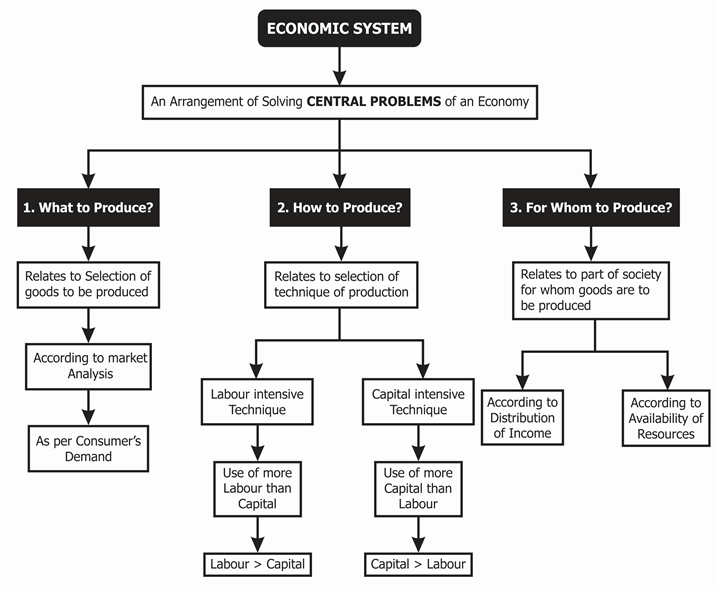
At its core, what is the definition of economic system? It is a method used by a society to organize the production, distribution, and consumption of goods and services. It answers fundamental questions like: What goods and services will be produced? How will they be produced? And who will receive them? The way a society answers these questions determines the type of economic system it operates under. Different systems prioritize different goals, such as efficiency, equity, or stability. The choice of an economic system significantly impacts a nation’s wealth, living standards, and overall societal well-being. The performance of an economic system is often measured by indicators like GDP growth, inflation, and unemployment rates. Furthermore, technological advancements and globalization increasingly influence how these systems function and evolve.
Exploring Different Types: What Is The Definition of Economic System
There are four primary types of economic systems: market, command, mixed, and traditional.
- Market Economy: In a market economy, decisions about production and consumption are decentralized and based on the voluntary exchange of goods and services in free markets. Prices are determined by supply and demand, and private individuals and businesses own most of the resources. The United States, though with some government intervention, is often cited as an example of a market-oriented economy. The driving force is profit, which incentivizes innovation and efficiency. However, market economies can sometimes lead to income inequality and market failures, necessitating some level of government regulation.
- Command Economy: A command economy is characterized by centralized control of economic activity. The government makes decisions about what to produce, how to produce it, and who receives it. Private property is typically limited, and the government owns most of the resources. North Korea and Cuba are often cited as examples of command economies, although even these countries have seen some degree of market liberalization in recent years. Command economies aim for equity and social welfare, but they often suffer from inefficiency, lack of innovation, and shortages.
- Mixed Economy: Most modern economies are mixed economies, blending elements of both market and command systems. The government plays a role in regulating markets, providing public goods and services, and redistributing income through taxation and social welfare programs. Examples of mixed economies include Canada, the United Kingdom, and Germany. The specific mix of market and government control varies from country to country. Mixed economies aim to balance the efficiency of markets with the equity and stability provided by government intervention.
- Traditional Economy: A traditional economy relies on customs, traditions, and historical precedent to determine production and distribution. Economic activities are often centered around agriculture, hunting, and gathering. Bartering is a common form of exchange. Traditional economies are often found in rural, underdeveloped areas. These economies tend to be stable and sustainable, but they also offer limited opportunities for economic growth and advancement.
Resource Allocation and the System: What Is The Definition of Economic System
How an economic system allocates resources is a key defining characteristic. In market economies, resources are allocated through the price mechanism. Higher prices signal increased demand, incentivizing producers to allocate more resources to the production of that good or service. In command economies, resource allocation is determined by central planners. They decide which industries receive funding, what goods are produced, and how they are distributed. Mixed economies utilize a combination of price signals and government intervention to allocate resources. For instance, the government might subsidize renewable energy sources or impose taxes on pollutants. Efficient resource allocation is crucial for maximizing a society’s productive capacity and meeting the needs of its citizens.
The Importance of Understanding: What Is The Definition of Economic System
Understanding what is the definition of economic system is important for several reasons. First, it helps individuals comprehend how their own economic well-being is affected by the broader economic environment. Second, it enables individuals to participate more effectively in public debates about economic policy. Third, it provides a framework for analyzing the economic performance of different countries and regions. Finally, with the increasing interconnectedness of the global economy, understanding different economic systems is crucial for international trade, investment, and diplomacy. The exchange of data between countries can reach into the gb range and beyond. By grasping the fundamentals of different economic systems, individuals can better understand the complex forces shaping the world around them.