An economic system is the framework a society uses to organize the production, distribution, and consumption of goods and services. It’s the set of rules, institutions, and customs that govern how resources are allocated and how economic activity is coordinated. Understanding different economic systems is crucial for comprehending how societies function and address fundamental economic problems like scarcity. From the local farmers market to global trade agreements, the economic system underpins almost every aspect of our daily lives, influencing everything from prices to job opportunities.

Key Takeaways:
- An economic system defines how a society organizes the production, distribution, and consumption of goods and services.
- Different types of economic systems exist, primarily market economies, command economies, and mixed economies.
- Understanding economic systems is crucial for grasping how societies function and address scarcity.
- The type of economic system significantly impacts economic equality, growth, and individual freedoms.
What is Meant by Economic System: Defining the Core Concepts
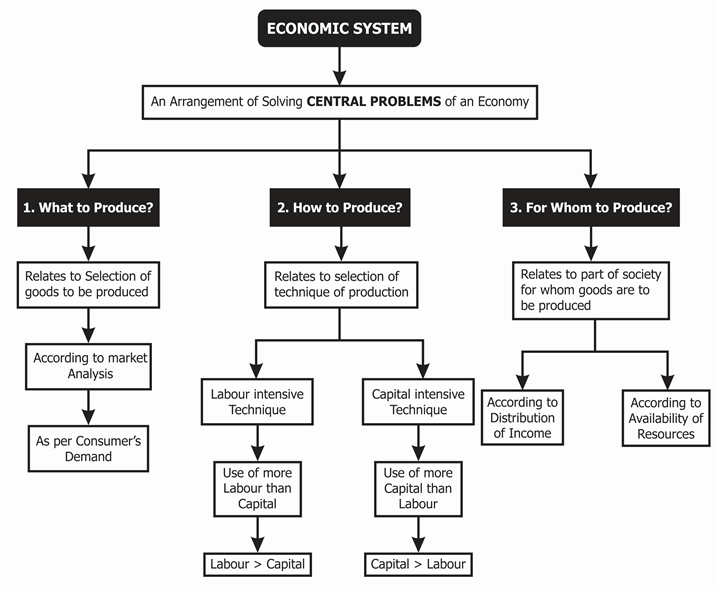
At its core, what is meant by economic system is a method a society uses to answer three fundamental economic questions:
- What goods and services should be produced? This addresses the allocation of resources towards different products and services based on societal needs and demands.
- How should these goods and services be produced? This relates to the methods of production, technology used, and the organization of labor.
- For whom should these goods and services be produced? This concerns the distribution of goods and services among the population. Who gets what, and how is wealth and income distributed?
Different economic systems answer these questions in different ways, leading to varying levels of economic efficiency, equality, and freedom. The choices made within an economic system dictate how resources like land, labor, and capital are utilized. For instance, a system might prioritize producing essential goods for everyone, even if it means limiting individual choice, while another system might focus on maximizing consumer choice, even if it leads to greater income inequality. The performance of countries, such as the gb, can be vastly different depending on the economic system in place and how well it is managed.
What is Meant by Economic System: Exploring Different Types
Several primary types of economic systems exist, each with its own set of characteristics:
- Market Economy: In a market economy, decisions about production and distribution are primarily made by individuals and businesses based on supply and demand. Prices act as signals, guiding resource allocation. Private property rights are strongly protected, and competition is encouraged. The role of government is limited to enforcing contracts, protecting property, and providing basic public goods.
- Command Economy: In a command economy, the government makes most economic decisions. The state owns and controls the means of production, and central planners decide what goods and services will be produced, how they will be produced, and who will receive them. This system often aims for greater equality but can suffer from inefficiencies and a lack of innovation.
- Mixed Economy: Most modern economies are mixed economies, combining elements of both market and command systems. The government plays a role in regulating markets, providing social safety nets, and producing certain goods and services, while private individuals and businesses still make many economic decisions. The balance between government intervention and market forces varies significantly across mixed economies.
- Traditional Economy: This system relies on customs, traditions, and beliefs to dictate economic activities. It is often characterized by bartering and subsistence agriculture.
What is Meant by Economic System: Factors Influencing Economic System Choice
A variety of factors influence a society’s choice of economic system, including:
- Historical Context: A nation’s history, including its past economic experiences and political ideologies, can shape its preferences for a particular economic system.
- Cultural Values: Cultural beliefs and values about individual freedom, equality, and the role of government can influence the design of an economic system.
- Resource Endowment: The availability and distribution of natural resources can affect the types of economic activities that are possible and the economic policies that are adopted.
- Political System: The type of political system, whether democratic or authoritarian, can impact the degree of government control over the economy.
- Level of Development: A country’s level of economic development, including its infrastructure, technology, and human capital, can influence its ability to implement different economic systems effectively.
The choice of an economic system is not always straightforward and involves trade-offs between different values and goals. Societies must weigh the potential benefits and drawbacks of each system to determine which best aligns with their specific circumstances and priorities.
What is Meant by Economic System: The Impact on Society
The choice of economic system has a profound impact on society, influencing various aspects of life:
- Economic Growth: Different economic systems can have varying impacts on economic growth. Market economies, with their emphasis on competition and innovation, often tend to experience higher rates of economic growth than command economies.
- Income Distribution: Economic systems can affect the distribution of income and wealth. Command economies often aim for a more equitable distribution of income, while market economies can lead to greater income inequality.
- Individual Freedom: Market economies typically offer greater individual freedom and choice than command economies, allowing individuals to pursue their own economic interests.
- Economic Stability: Economic systems can influence economic stability. Mixed economies, with their government regulation and social safety nets, may be better equipped to weather economic shocks than pure market economies.
- Environmental Sustainability: The choice of economic system can also impact environmental sustainability. Systems that prioritize short-term economic growth over environmental protection can lead to environmental degradation.
Understanding the potential impacts of different economic systems is crucial for policymakers and citizens alike. By carefully considering the trade-offs involved, societies can choose the economic system that best promotes their desired outcomes.