Understanding how societies organize their economies is crucial for grasping global politics, business trends, and even our daily lives. An economic system is essentially the set of rules, practices, and institutions that determine how a society allocates its scarce resources. These resources include labor, capital, land, and entrepreneurship. The way these resources are managed impacts everything from wealth distribution to the availability of goods and services.
Key Takeaways:
- Types of economic system include market, planned, mixed, and traditional economies, each with distinct characteristics.
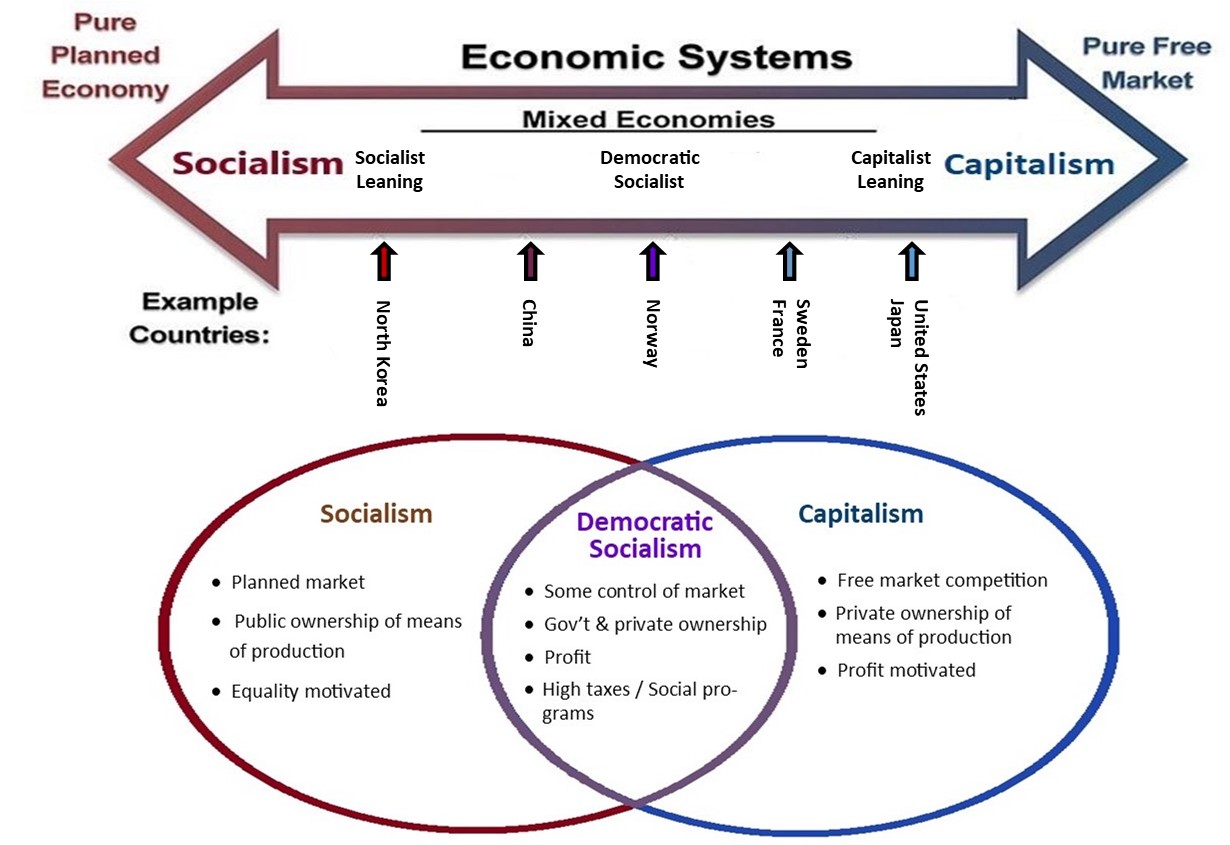
- Market economies, like the United States, emphasize private ownership and free markets.
- Planned economies, historically seen in countries like the former Soviet Union, feature centralized control and government planning.
- Most modern economies are mixed, blending elements of both market and planned systems.
Defining Different Types of Economic System
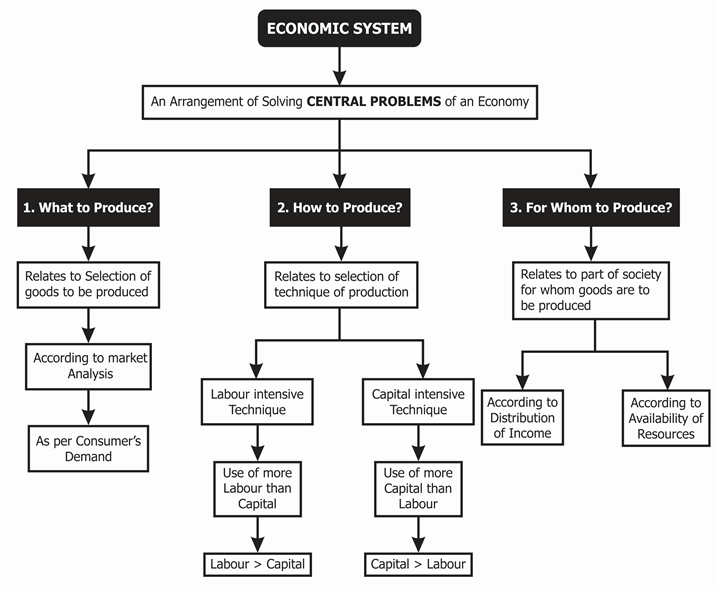
Several fundamental models exist, each with its strengths and weaknesses. We’ll delve into the main types of economic system, including market, planned (also sometimes referred to as command), mixed, and traditional economies. Each system answers the fundamental economic questions – what to produce, how to produce it, and for whom to produce – in a distinct way. Understanding these differences is key to understanding how different nations operate.
Market Economy: The Power of Supply and Demand
A market economy is characterized by private ownership of resources, decentralized decision-making, and the price mechanism as the primary tool for allocating resources. In a pure market economy, the government’s role is limited to protecting property rights, enforcing contracts, and providing national defense. The forces of supply and demand determine prices, which in turn guide production and consumption decisions.
Key Features:
- Private Property: Individuals and businesses own resources and are free to use them as they see fit.
- Free Markets: Prices are determined by supply and demand, with minimal government intervention.
- Competition: Businesses compete with each other to attract customers, leading to innovation and efficiency.
- Consumer Sovereignty: Consumers’ preferences drive production decisions.
Examples:
While no country operates as a purely market economy, the United States is often cited as a prime example. However, even the US has government regulations and social safety nets that deviate from a pure market model. Hong Kong is another example, known for its relatively free markets and limited government intervention. Switzerland and even the GB, although more regulated, lean heavily towards market-oriented principles.
Planned Economy: Centralized Control and Direction
In a planned economy, the government owns and controls most of the resources. A central planning authority makes decisions about what to produce, how to produce it, and for whom to produce it. The goal is to allocate resources according to a national plan, often prioritizing social welfare and equality.
Key Features:
- Public Ownership: The government owns most of the resources.
- Central Planning: A central authority makes production and distribution decisions.
- Limited Consumer Choice: Consumers have limited say in what goods and services are available.
- Price Controls: The government sets prices, rather than allowing them to be determined by supply and demand.
Examples:
The former Soviet Union and North Korea are examples of countries that have historically operated under a planned economy model. Cuba also had a heavily planned economy for many years. While these economies often aimed for equitable distribution of resources, they frequently struggled with inefficiency, shortages, and lack of innovation.
Mixed Economy: A Blend of Market and Planning
A mixed economy combines elements of both market and planned economies. Most modern economies fall into this category. In a mixed economy, private ownership coexists with government regulation and intervention. The government plays a role in providing public goods and services, regulating industries, and providing social safety nets.
Key Features:
- Both Private and Public Ownership: Resources are owned by both individuals and the government.
- Government Regulation: The government regulates industries to protect consumers, workers, and the environment.
- Social Safety Nets: The government provides programs like unemployment insurance, healthcare, and social security to support vulnerable populations.
- Market-Based Allocation with Government Intervention: Prices are largely determined by supply and demand, but the government intervenes to correct market failures and promote social welfare.
Examples:
Most developed economies, including Canada, France, Germany, and the GB, operate as mixed economies. These countries have a strong market-based foundation but also feature significant government involvement in areas such as healthcare, education, and social welfare. The specific balance between market and planning varies from country to country, reflecting different political and social priorities.